


Well we are now approaching the summer months, with the school holidays having already started for some, and for young people that means a massive SIX WEEKS off school! This break from structured lessons can be a magical stretch of time for children with long, bright days that are filled with freedom, exploration and the chance to slow down after a busy school year. But it also has its downside as it’s also a period when reading can slip quietly into the background. That’s why encouraging children to read during the UK summer break isn’t just a nice idea; it’s one of the most valuable things parents, carers and guardians can support their children with. Reading over the summer keeps young minds active, nurtures imagination and goes some way to prevent the well‑known “summer slide” that can affect learning where lengthy school breaks can result in learning loss.
Come July when school breaks before the kids enter a brand new academic year, so does that all-important daily structure that keeps children engaged with words, stories, new ideas and learning in general. Research consistently shows that children who don’t read over the summer can lose some of the progress they made during the school year, particularly in vocabulary, comprehension and reading fluency. Now, this doesn’t mean that children need to study or follow rigid routines – far from it. Simply spending time with books, magazines, comics or audiobooks helps keep their brains stimulated in a gentle, enjoyable way. Reading becomes a bridge between school years, helping them return to the classroom confident and ready to learn. And a visit to the local library also helps with things to do during those long six weeks (and they get to pick their own books).
And if you think reading is just for its academic benefits, think again, it stretches beyond that. Reading for pleasure during the summer holidays (and beyond) offers something even more powerful: it gives young page turners the chance to explore new worlds and cultures. With more free time and without the pressure of school work and homework, children can lose themselves in stories that spark curiosity, creativity and emotional growth. A gripping adventure can inspire bravery; a funny story can boost wellbeing; a thoughtful tale can help them understand themselves and others. Books give children the freedom to travel without leaving home (except to the library to pick up their latest titles of course), to meet characters who challenge or comfort them and to discover new interests that might shape their future passions. And the power of books and reading has the added bonus of ditching those screens.
The summer break is also the perfect opportunity to build and encourage positive reading habits. Without the hectic rush of morning school runs or the evening homework battles, children can read at their own pace, in their own way and books of their own choosing. Some might enjoy curling up with a book in the garden, others might prefer reading before bed and some may love listening to audiobooks during long car journeys. When reading becomes part of the rhythm of summer, it feels less like a task and more like a pleasure – something they choose to do rather than something they’re told to do. Being a more relaxed experiences makes its more enjoyable and can help children develop a lifelong love of reading.
Plus reading together can be an excellent tool for helping to strengthen those family bonds. It doesn’t matter if whether it’s sharing a bedtime story, visiting the local library to pick out a new batch of books or chatting about a book over breakfast, these moments create wonderful connections and conversation (which also helps with language skills). Many UK libraries run summer reading challenges, offering fun incentives that motivate children to keep turning the pages. These programmes not only encourage reading but also build a sense of achievement and community.
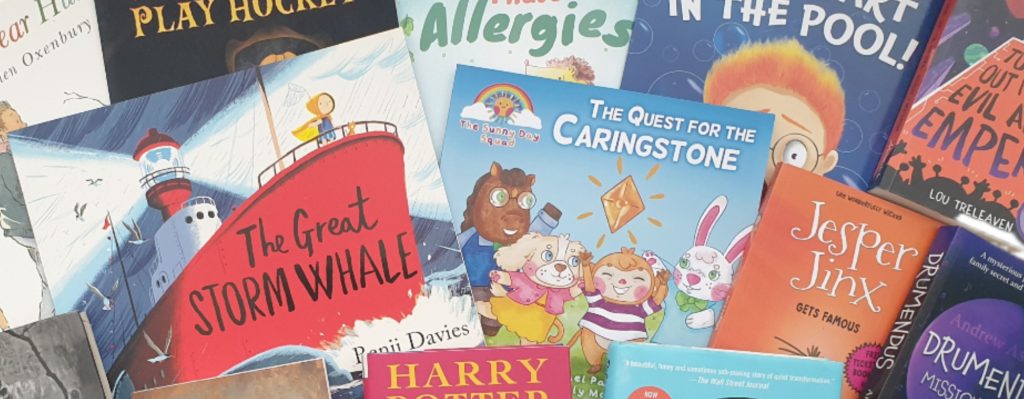
Aside from getting lost in some great tales and keeping those reading skills up to date (which also helps with all aspects of school work), reading during the summer holidays can also help support children’s emotional wellbeing. The vast choice of stories can be comforting companions, especially during a time when routines change and social interactions may be different. Books can help children process feelings, understand the world around them and find reassurance in characters who face, and overcome, challenges.
Ultimately, the six week summer holiday is a wonderful opportunity for children to rest, play, learn and grow. Reading, whether it’s books, comics, graphic novels or even joke books, enriches all of that – it keeps young minds active, helps fuel their imagination and gives them the tools to thrive both academically and personally. Encouraging children to read over the summer isn’t about filling time, it’s about opening doors. And the stories they discover during those long, warm weeks may stay with them long after the holidays end.
So don’t let the summer slide take root this summer, visit your local library where they have plenty of choice for children so children can select reading material that suits them – and you can borrow the books for free, reducing the expense of the holiday period. And who knows, those cries of “I’m bored” may start to fade into the distant background once absorbed in a good book.
And while you are here, check out our book reviews for some inspiration for titles that might suit your young page turners.
If you want some tips on reading with children, click here.
To find your local library, visit www.gov.uk/local-library-services.