

When it comes to classic literature, Charles Dickens was one of the most influential English novelists of the Victorian era. But if you have ever picked up a full Dickens novel, a lot of them are very long (David Copperfield for example can be between 800 – 1000 pages in length depending on the edition). In reality it isn’t a book that young children are going to pick up, not purely because of the number of pages but also because of the mature themes and advanced comprehension, and teenagers are only likely to read it when studying at school. So reading an adapted version opens the door to a classic novel in a simpler form, forming a bridge to the full texts.
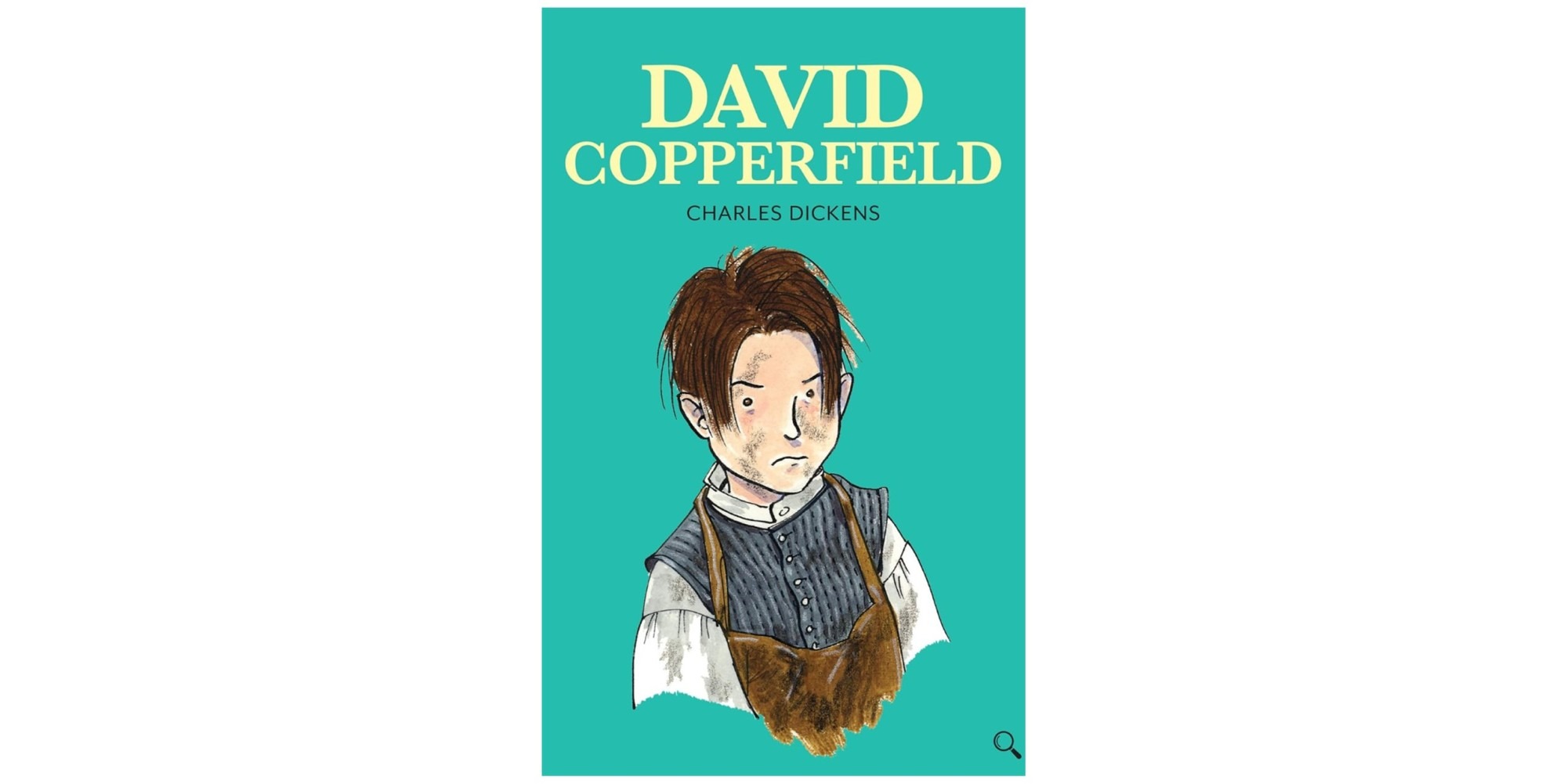
The Baker Street Readers version of Charles Dickens’ David Copperfield has been adapted and retold by Gill Tavner with illustrations by Karen Donnelly. This adapted version breaks down the full Dickens novel into an easy to read 64-pages, with illustrations, gently introducing young readers, reluctant readers and even adult readers to a classic novel. Aimed primary at young readers aged 7-14 years old, this shortened version keeps the skeleton of the story but has simplified text, major events are kept, but subplots, minor characters and Dickens’ long descriptive passages are removed while preserving the core emotional journey. This makes it more accessible for young readers.
David Copperfield is one of Charles Dickens’s most celebrated novels – it’s a sweeping, semi‑autobiographical coming‑of‑age story that follows its hero from childhood to adulthood. It was originally published in serial form between 1849 and 1850 and later as a full novel in 1850. Dickens himself called it his “favourite child.”
David Copperfield is the story of a young boy navigating hardship, loss, friendship and personal growth – from infancy to adulthood. David has a difficult childhood, being born on a Friday at midnight was considered a bad omen in Victorian times. His life was filled with happiness and love until his mother married the cruel Mr Murdstone. It is a partially autobiographical novel, which reflects many of Charles Dickens’ own life experiences while blending them with fictional elements.
From the opening pages, the story captures the essence of David’s journey: a boy born into uncertainty, shaped by the kindness and cruelty of the adults around him, and determined to find his place in the world. This adaptation begins with David’s early life at home with his mother and the warm, loyal housekeeper Clara Peggotty. But the tone shifts quite sharply with the arrival of his mother’s new husband, Mr Murdstone. He is a cold and harsh disciplinarian and is the first real turning point in young David’s life. The story follows David through boarding school, which included being bullied, his friendships that he formed – good and bad, as well as his loves and losses.
Overall, this version of the classic novel, David Copperfield, has been heavily shortened and simplified with more modern language. It makes it more accessible to younger readers or older readers that would never dream of picking up a Dickens novel. The simplified language and bare bones structure of the story tell the tale of David Copperfield in an easy to read way, leaving out a lot of the subplots and characters that you will find in the original. But while drastically shortened, it still retains the emotional softness of Dickens’ original, giving young readers an immediate connection to David’s innocence and vulnerability. And gives a good starting point for gaining a interest in reading the fuller original novel.
While this version still retains the original themes of physical and abuse (David was left torn and bleeding from a beating by his stepfather and rarely allowed to see his mother) and the bullying he received at home and at school it still shows the warmth and love of Peggotty and her family, the eccentric strength of Aunt Betsey Trotwood as well as the deviousness of Steerforth and Uriah Heep.
I have never read the original, full-length novel and thought this was an excellent introduction to get a basic feel for the story. It can be enjoyed independently or used as a stepping stone to the full novel and, for me, I do now feel I want to read it in its entirety.
While some of the themes might be complex, they are only really touched upon in this version and don’t go into any real details, so readers age 7+ won’t get too disturbed by it and what is mentioned is necessary to show the hardness of Copperfield’s life.
The illustrations and character descriptions at the start of the book make it more engaging for young readers. And when they finish the story there are some brief points that help fill in gaps missing from this version it also has some questions to engage the reader more and test their comprehension and to get them to go back through the book to see if they can find descriptions of settings or atmosphere, where alliteration was used and how imagery was used. Plus it also has a list of websites readers can visit to find out more about Dickens, Victorian life and education as well as some books featuring these topics (such as Horrible Histories: Loathsome London by Terry Deary).
If you want to get a feel for a classic novel then I can highly recommend the Baker Street Readers version of David Copperfied. It is a quick read but gives you the basic outline of the full story while still keeping its emotional depth. A perfect gateway into classic literature – and it doesn’t need to be just for children, I found it interesting and the perfect way to explore a classic title.
Rating: 5/5
RRP: £9.99 (Hardback) / £7.99 (Paperback) / £3.99 (Kindle)
For more information, visit bakerstreetpress.co.uk. Available to buy from Amazon here.
PUBLISHER:
PUBLICATION DATE:
ISBN:
PRINT LENGTH:
COVER ART / ILLUSTRATIONS:
AGE RANGE: